Southeast Queensland (SEQ) boasts a subtropical climate that makes it a gardener’s paradise for much of the year. However, when summer rolls around, even the most experienced gardeners can find themselves struggling to grow seasonal vegetables. While the warm weather and long days might seem ideal for vegetable growth, the unique conditions of an SEQ summer present a series of challenges that can frustrate even the greenest of thumbs.
I’ve learnt the hard way that not all vegetables will thrive during a Queensland Summer. Tomatoes fall prey to sucking insects, cucumber and zucchini leaves shrivel and die from powdery mildew. Then the moths and grasshoppers arrive to decimate what’s left of the garden.
The SEQ Summer Climate
So, what does Summer in my patch of the garden look like? Here are few typical characteristics:
- High Temperatures: Daily temperatures frequently soar into the mid-30s (°C) and beyond, creating stress for many plants.
- Humidity: The air can feel like a steam bath, with humidity levels often exceeding 70-80%.
- Heavy Rain and Storms: Sudden, intense downpours and storms can cause waterlogging, erosion, and damage to delicate plants.
- Extended Heatwaves: Long stretches of high temperatures can dry out the soil and lead to rapid evaporation.
Combine all these factors and you have a challenging environment for vegetable gardening!
Key Challenges of Growing Vegetables in SEQ Summers
- Heat Stress on Plants
Many vegetables, especially those suited to cooler climates (like lettuce, spinach, and broccoli), struggle to thrive in SEQ’s intense summer heat. Prolonged high temperatures can cause plants to bolt (go to seed prematurely), reducing yields and altering the flavour of crops. There’s nothing worse than scooping up a mouthful of delicious looking lettuce only to discover it’s bitter and inedible.
- Pests and Diseases
The warm, humid conditions create a perfect breeding ground for pests such as caterpillars, aphids, fruit flies, and whiteflies. Additionally, fungal diseases like powdery mildew, rust, and leaf spot thrive in these conditions, wreaking havoc on vulnerable crops.
- Soil Challenges
Heavy rain can lead to waterlogged soils, depriving plant roots of oxygen and causing rot. Conversely, during heatwaves, the soil can dry out rapidly, making it difficult to maintain consistent moisture levels.
- Sun Scorch
Intense sunlight can scorch delicate plants and leaves, especially if they lack adequate shading. Even hardy vegetables can suffer from sunburn, leading to discoloured and damaged produce.
- Watering Dilemmas
While summer storms provide bursts of rainfall, they’re often erratic. The combination of high evaporation rates and inconsistent rainfall means gardeners must water frequently—but overwatering can lead to root rot.
- Competition from Weeds
The heat and moisture create perfect conditions for weeds to thrive, often outcompeting vegetables for nutrients, water, and space. I’m convinced the weeds in garden double in size overnight, I try to combat this by weeding my garden in a circuit, attacking a small section each day.
Vegetables That Can Thrive in SEQ Summers
Despite these challenges, I’ve discovered that some vegetables are better adapted to SEQ’s summer conditions. These include:
- Tropical Greens: Varieties like kangkong, amaranth, and sweet potato leaves thrive in the heat and humidity.
- Eggplants and Okra: These heat-loving crops can handle SEQ’s summer intensity.
- Chilies and Capsicums: Once established, they can tolerate high temperatures and humidity.
- Cucurbits: Melons, and pumpkins can thrive with proper care and pest control. I’ve enjoyed bountiful harvests of both rock melon and pumpkin over the past few summers but I’m yet to successfully grow cucumbers for more than a couple of weeks before the bugs move in and the mildew appears.
Tips for Successful Summer Gardening in SEQ
- Choose the Right Varieties
Opt for heat-tolerant and tropical varieties suited to the region’s summer climate. Look for seeds labeled as “heat-resistant” or “humidity-tolerant.” Or if you prefer to buy seedlings make sure they’re suitable for the climate and have been sun hardened.
- Provide Shade
Use shade cloth (30-50% density) to protect sensitive plants from intense sun and reduce the risk of sunburn. We built a shade house over the Winter and have been rewarded with lush summer growth.
- Improve Soil Drainage
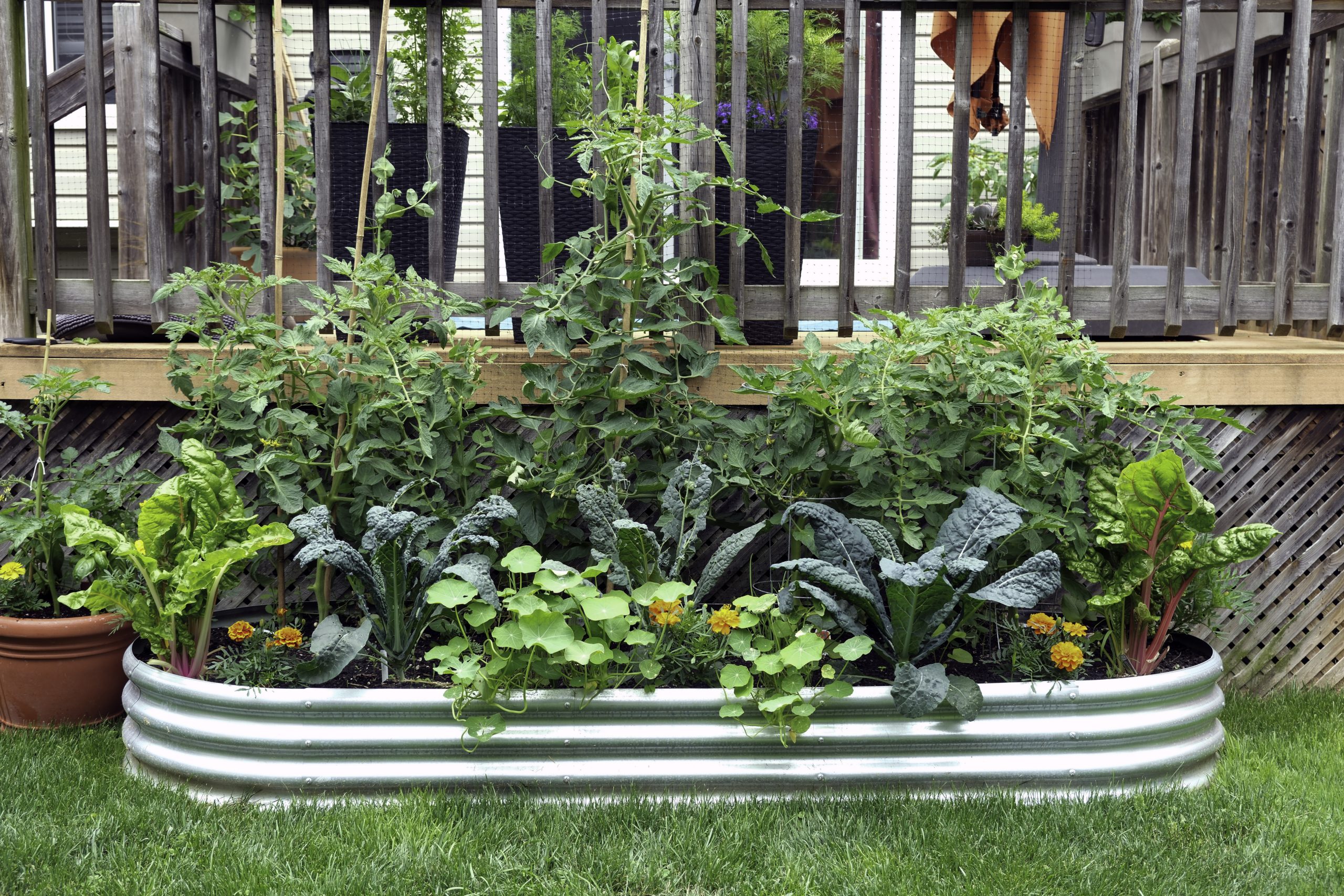
Add organic matter like compost to improve soil structure and drainage. Raised beds can also help prevent waterlogging. I’ve gradually been swapping all my garden beds to wicking beds. In the hot weather I still need to fill them often, but they offer the plants a regular supply of water and help drain the soil after heavy rains.
- Mulch Generously
A thick layer of mulch (like sugarcane or straw) helps retain moisture, regulate soil temperature, and suppress weeds.
- Practice Regular Pest Control
Inspect plants regularly for signs of pests and diseases. Use natural pest control methods, such as companion planting or neem oil, to minimise infestations. Recently I’ve been seeing predator bugs arriving in my garden to help combat the bad bugs. It’s exciting to know my ecosystem is starting to thrive and balance itself.
- Water Wisely
Water deeply and early in the morning to reduce evaporation. Drip irrigation systems can help deliver water directly to the roots without wasting resources. In the parts of my garden where I have fruit trees, pineapples and other tropical plants in the ground I’ve installed dripper systems with timers to ensure the water is delivered to where my plants need it most.
- Embrace Tropical Gardening
Consider incorporating tropical perennials like taro, cassava, or choko into your garden. These plants are more resilient to SEQ’s summer climate. I’ve been experimenting with perennial crops and will report back on my progress.
The Rewards of Perseverance
Although growing vegetables in SEQ during summer can be challenging, it’s not impossible. With the right strategies and a bit of patience, you can create a productive garden that thrives even in the toughest conditions. And while summer might not be the time for traditional cool-weather crops, it’s an opportunity to explore heat-loving plants and experiment with tropical gardening techniques
I’m still on a steep learning curve but I see the rewards of my labour more often than my failures now and take heart.
By understanding your area’s unique climate and adapting your gardening practices, you can embrace the challenges of summer gardening and enjoy fresh, homegrown produce year-round.