In today’s fast-paced, hyperconnected world, many of us are looking for ways to reclaim our time, energy, and peace of mind. Two lifestyle philosophies; minimalism and slow living are powerful tools for achieving a more intentional and fulfilling life. While they may seem like separate ideas, minimalism and slow living complement each other beautifully, offering a holistic approach to simplifying life and focusing on what truly matters.
I began my minimalist journey back in 2015 after my first knee replacement. Time spent recovering allowed the mental and emotional space to explore what it really meant and how to begin. My slow living lifestyle came later, almost by stealth, as I realised minimising all areas of my life had rewarded me with more time and energy each day.
What Is Minimalism?
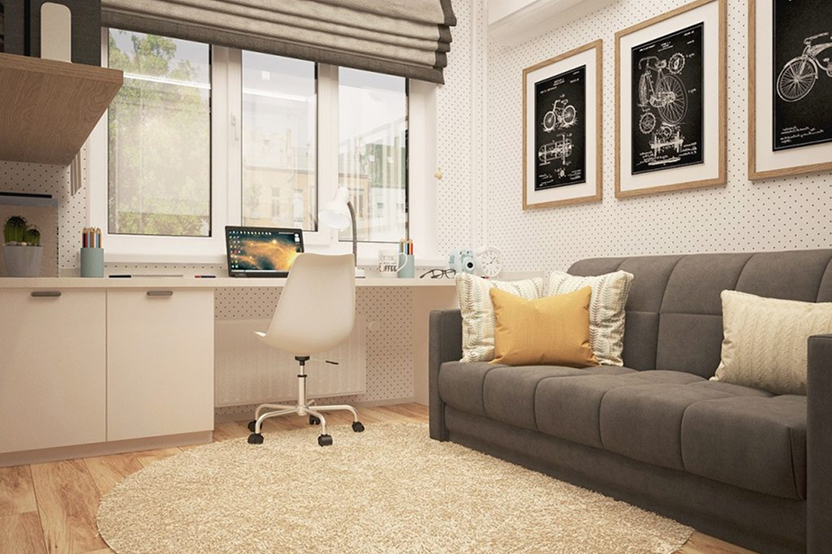
Minimalism is about intentionally choosing what adds value to your life and letting go of the rest. It’s not about deprivation or sterile spaces but about creating room—both physically and mentally—for the things that matter most. From decluttering your home to streamlining your schedule, minimalism helps you eliminate excess and focus on quality over quantity.
What Is Slow Living?
Slow living, on the other hand, emphasises pacing life more intentionally. It’s about being present in the moment, savouring experiences, and resisting the urge to rush through life. Whether it’s enjoying a leisurely meal, spending unhurried time with loved ones, or appreciating nature, slow living encourages us to shift our focus from doing more to being more.
How Minimalism and Slow Living Align
- Focus on Quality, Not Quantity
Both minimalism and slow living advocate for prioritising quality over quantity. Minimalism encourages you to invest in fewer, better-quality possessions, while slow living inspires you to focus on meaningful experiences and deep connections. Together, these philosophies shift your mindset from “more is better” to “better is better.”
- Clearing Space for What Matters
Minimalism clears physical and mental clutter, creating space for the intentionality that slow living demands. When your home is free of unnecessary items, and your calendar isn’t crammed with obligations, you have the freedom to slow down and focus on what truly enriches your life.
- Reducing Stress
Both lifestyles combat the overwhelm that comes from excess—whether it’s too much stuff, too many commitments, or too much stimulation. By becoming a minimalist, you reduce the distractions that pull you in a thousand directions. Slow living then steps in to fill that space with calm, presence, and mindfulness.
- Living Sustainably
Minimalism and slow living both encourage more sustainable choices. By consuming less, you reduce waste and environmental impact. Slow living reinforces this by encouraging practices like buying local, eating seasonally, and taking the time to make conscious decisions. Together, they support a lifestyle that’s kinder to the planet.
- Cultivating Gratitude
When you strip away the nonessentials, you begin to appreciate what remains. Minimalism helps you value the possessions you keep, while slow living encourages you to cherish everyday moments. Together, they nurture gratitude and contentment, transforming your outlook on life.
How to Integrate Minimalism and Slow Living
- Start Small: Begin with one area of your life—decluttering a single room or carving out an hour to slow down each day.
- Say No More Often: Whether it’s an unnecessary purchase or an overpacked schedule, learn to say no to anything that doesn’t align with your values.
- Practice Mindfulness: Be intentional about your choices, whether it’s the food you eat, the work you do, or the way you spend your free time.
- Focus on Connection: Spend quality time with loved ones, build relationships, and engage in activities that bring joy and meaning.
The Benefits of Combining Minimalism and Slow Living
Together, minimalism and slow living can lead to profound changes in your life. They free up time, energy, and mental space to focus on what truly matters. They foster a sense of peace and fulfilment that comes from living intentionally and aligning your actions. By combining the two, you can create a life that’s not only simpler but also richer and more meaningful.
When you adopt minimalism, you’re making space—physically, mentally, and emotionally—for what truly matters. You let go of the excess that weighs you down and create room for clarity and purpose. Slow living, in turn, helps you savour that space. It reminds you to pause, breathe, and fully immerse yourself in the beauty of each moment.
Together, these practices encourage you to embrace a life that aligns with your values. You can begin to focus on relationships, experiences, and personal growth rather than material possessions or endless productivity. This shift can lead to deeper fulfilment, reduced stress, and a sense of gratitude for the present.
Minimalism will look different for everyone. If you peeked in the window of my home, you may not recognise it as the home of a minimalist but every item I own has been chosen with care. It is either a thing of beauty or useful. The best items are both beautiful and useful.
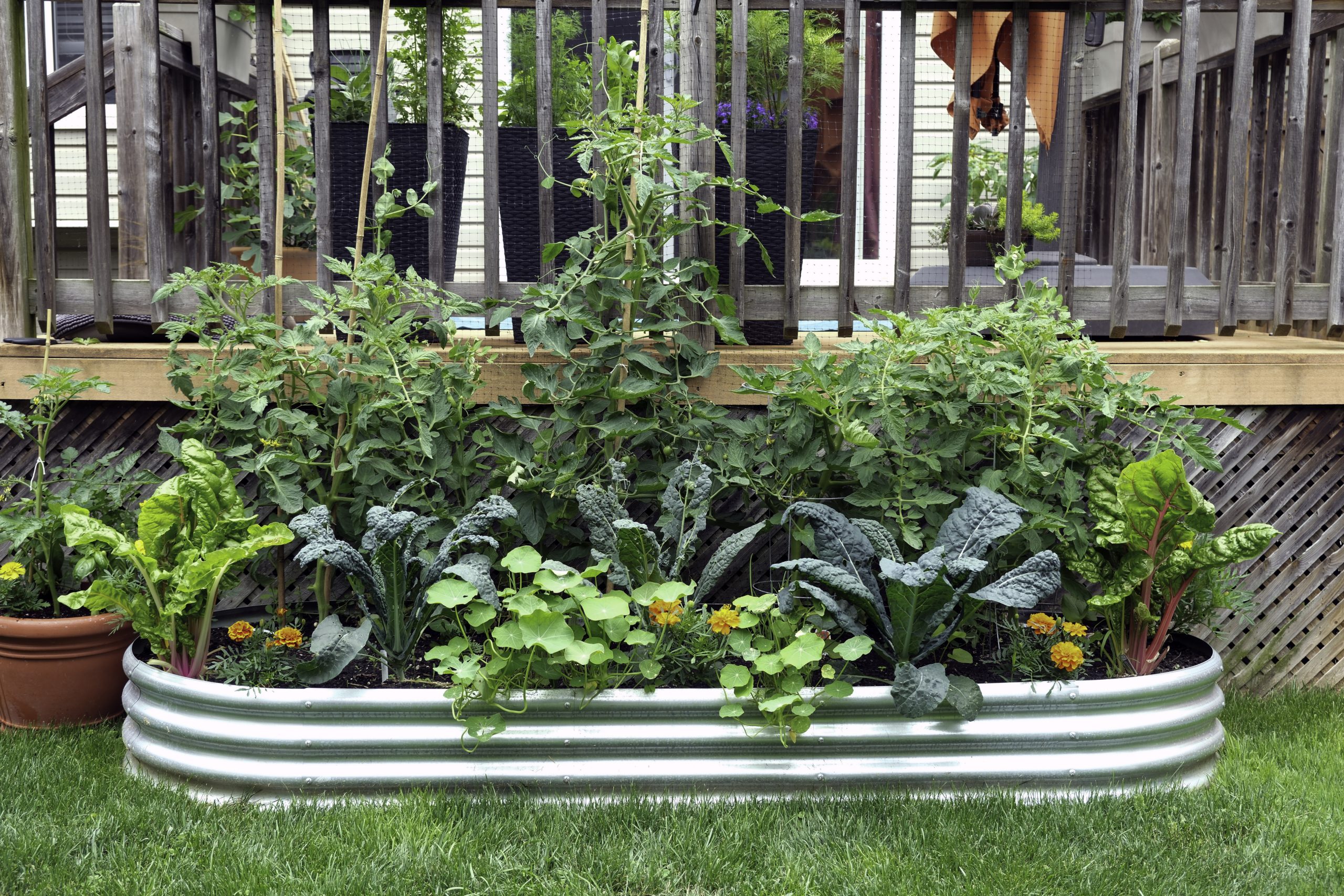
My version of slow living might also look nothing like yours. I love nothing more than time spent in my garden, dinner with friends and engaging in deep conversations.
In a world that often glorifies busyness and consumption, choosing minimalism and slow living is an invitation to break free from societal pressures and create a life centred around intention, balance, and joy.
So take that first step—declutter a room, slow down for a meal, or say no to something that doesn’t serve you. Over time, you’ll find that these small shifts lead to profound changes, offering you a life of purpose, peace, and true contentment.
Let me know how you go!